
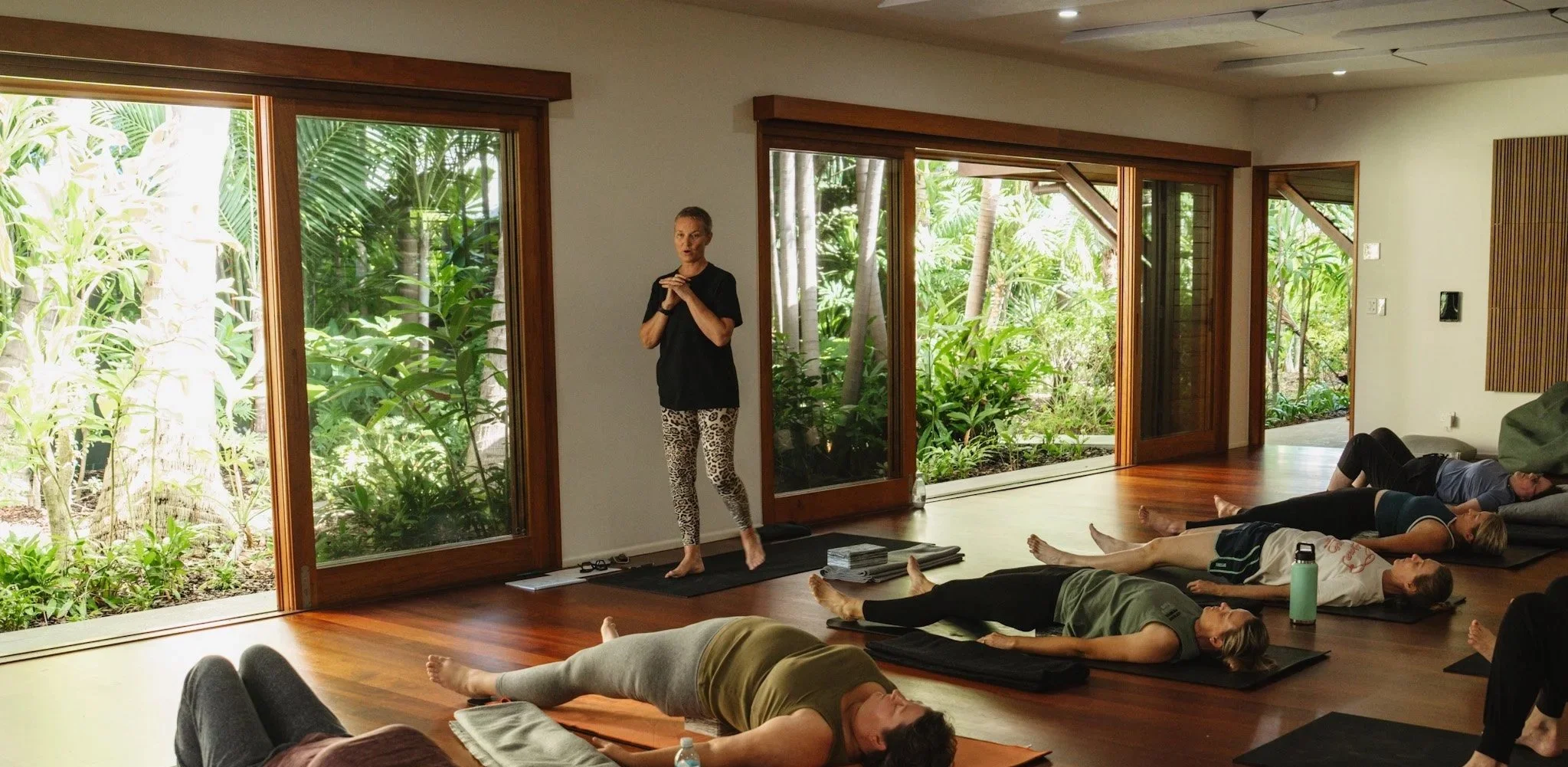
My Story
This studio grew out of my own practice — and the fact that practice keeps changing.
I thought 50 was old.
Turns out I had absolutely no idea.
When I turned 50, I felt strong. Really strong. I look back at photos and videos of myself from those first few years of my fifties and I can see it too — I moved differently. I had more capacity, more consistency, and if I’m honest, I think some part of me assumed I’d cracked the code on ageing.
I had not.
The last few years have asked more of me than turning 50 ever did. I’m 56 as I write this.
My body has changed. Menopause changed things. Old injuries became harder to ignore. My own yoga practice became far more sporadic than I would have liked.
So no — I’m not teaching from some perfectly maintained yoga body or an immaculate daily practice.
I’m figuring this out too.
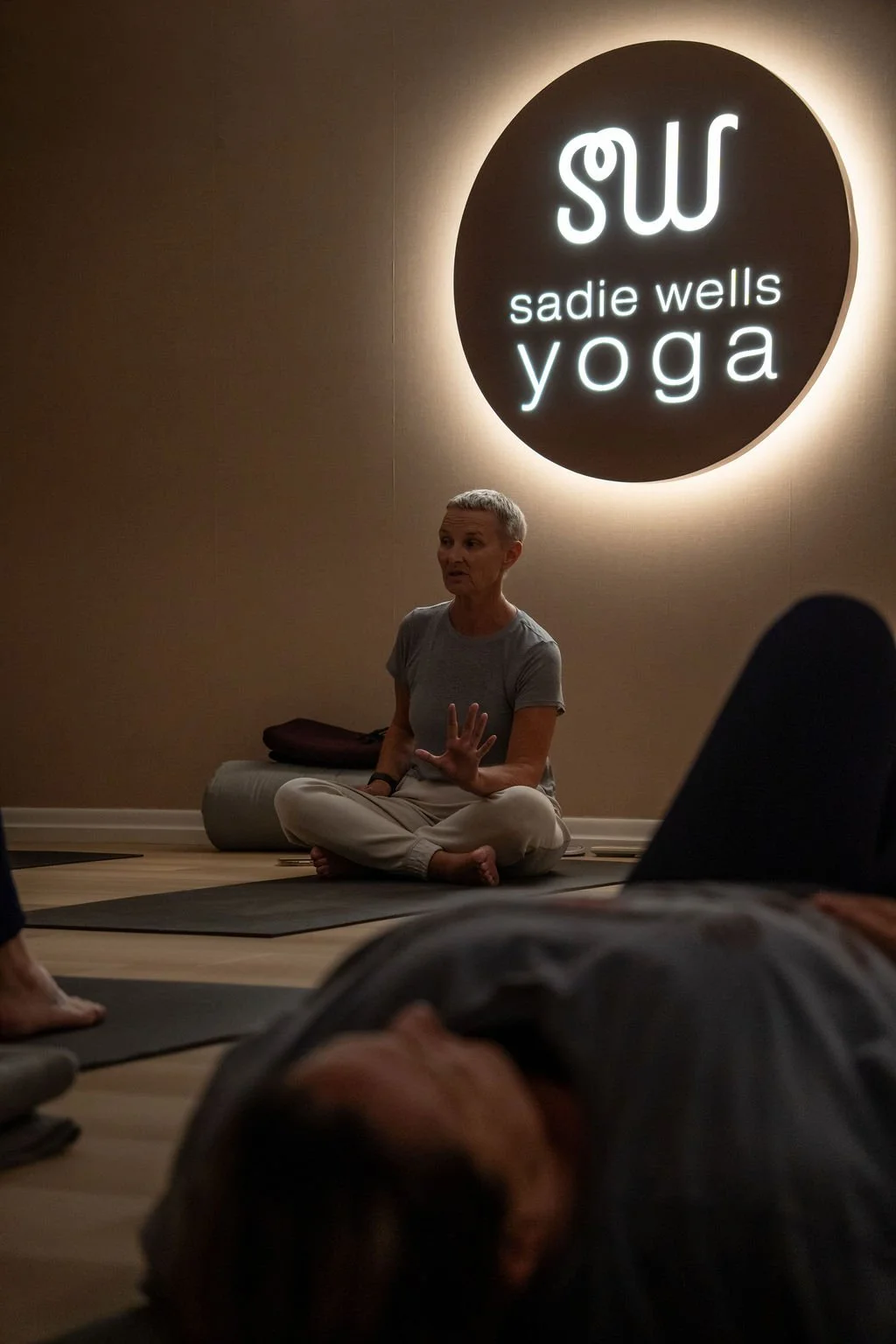
I wish I was more evolved about ageing.
I’m not.
I don’t particularly like the extra kilos, the wrinkles, the changing skin, the injuries that seem to take longer to settle, or discovering that something my body once did quite happily now has other ideas.
And I’m not immune to comparison either. It’s very easy to look at women my age — or older — who appear extraordinarily strong, lean, mobile and untouched by time and wonder what the hell you’re doing wrong.
But comparison has never made me move better.
So these days my practice asks something slightly different of me.
Can I stop measuring today’s body against the one I had five years ago?
Can I notice what strength, movement and capacity are actually available now?
Can I work with that — challenge it, build on it, be curious about it — without treating what has changed as some kind of personal failure?
Some days I’m better at that than others.
But that is increasingly what the practice is for.
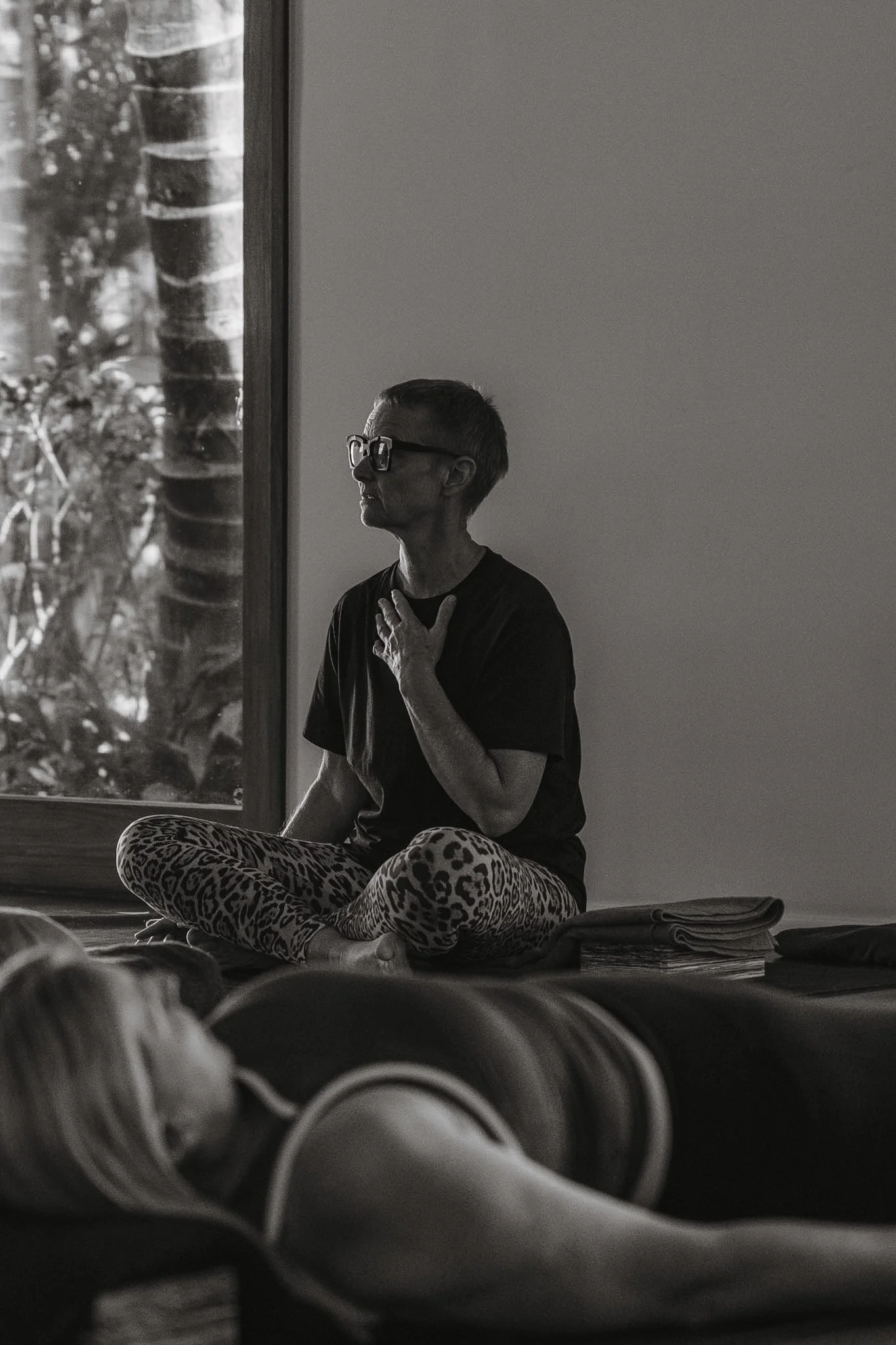
The mat is a laboratory.
The older I get, the less interested I am in using yoga to reproduce a particular shape — and the more interested I am in what I can learn while I’m getting there.
That’s how I teach too.
I’ll give you structure. I’ll sequence the practice carefully. I’ll ask you to work, sometimes quite hard. But my cues are invitations, not commands.
Try this. Notice that. Does it make sense in your body today? Is there another version that feels more useful? Did something interesting happen in the transition that you want to stay with for another breath?
You don’t need to follow every instruction perfectly. In fact, I’d much rather you learn to notice what’s happening and make a useful decision for yourself.
That might mean working harder.
It might mean backing off.
It might mean doing something completely different for a moment and finding your way back when you’re ready.
The practice changes because you do.
And that, to me, is where things start getting interesting.
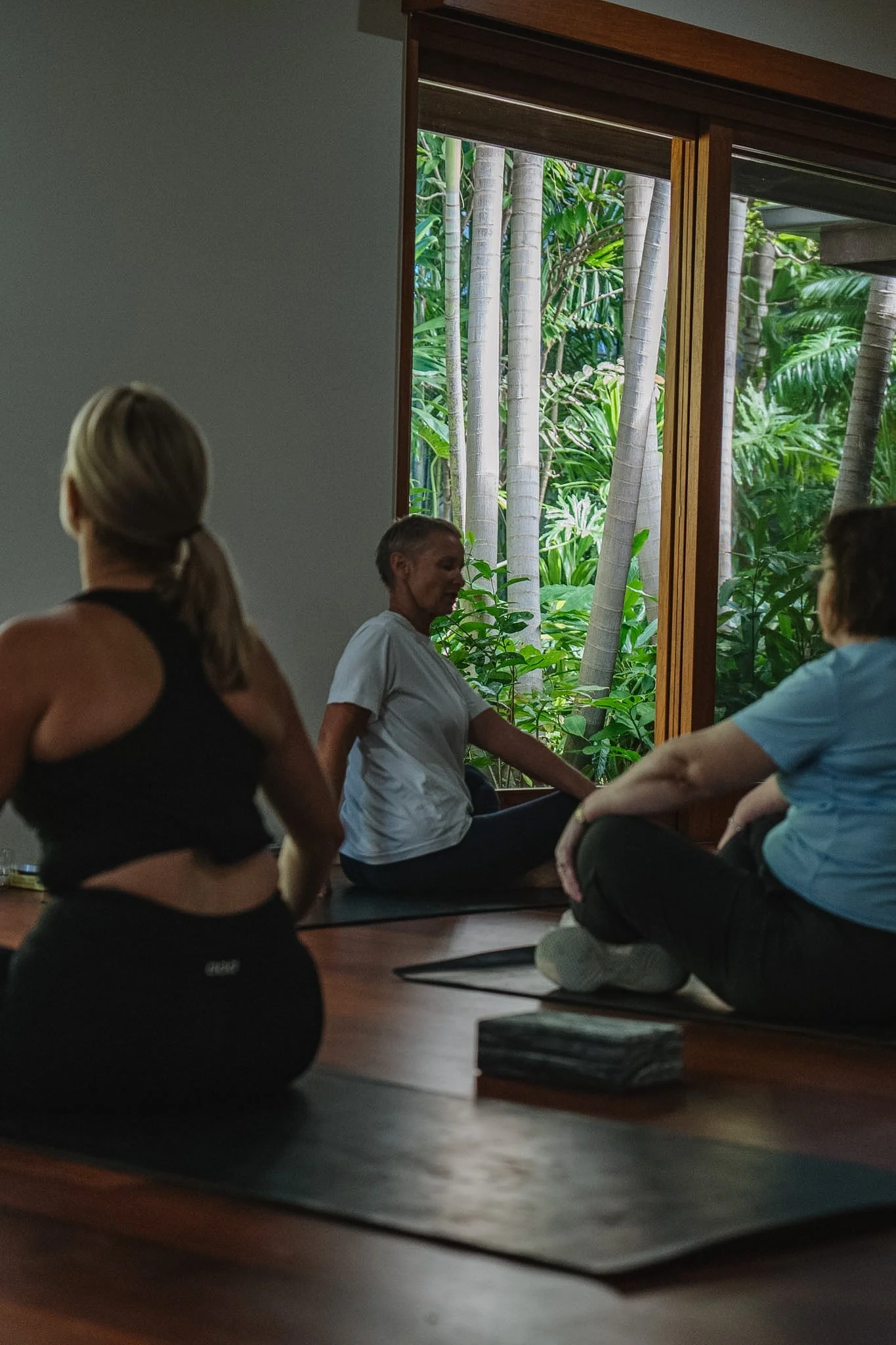
I’m still a student.
I’ve been practising yoga for nearly three decades and teaching for a good chunk of that time — and I’ve changed my mind about plenty.
I hope I keep doing that.
I’ve trained extensively, with teachers whose work has challenged the way I think about movement, anatomy, sequencing and what we’re actually trying to achieve when we practise yoga.
But I’m not interested in collecting methods and handing them straight on as gospel.
I learn. I experiment. I question things. I take what makes sense, leave what doesn’t, and eventually some of it finds its way into the room.
Sometimes that means teaching differently from the way I did five years ago. Sometimes it means letting go of things I once thought were important.
That doesn’t make me less certain about my teaching.
It makes me more interested in staying curious.
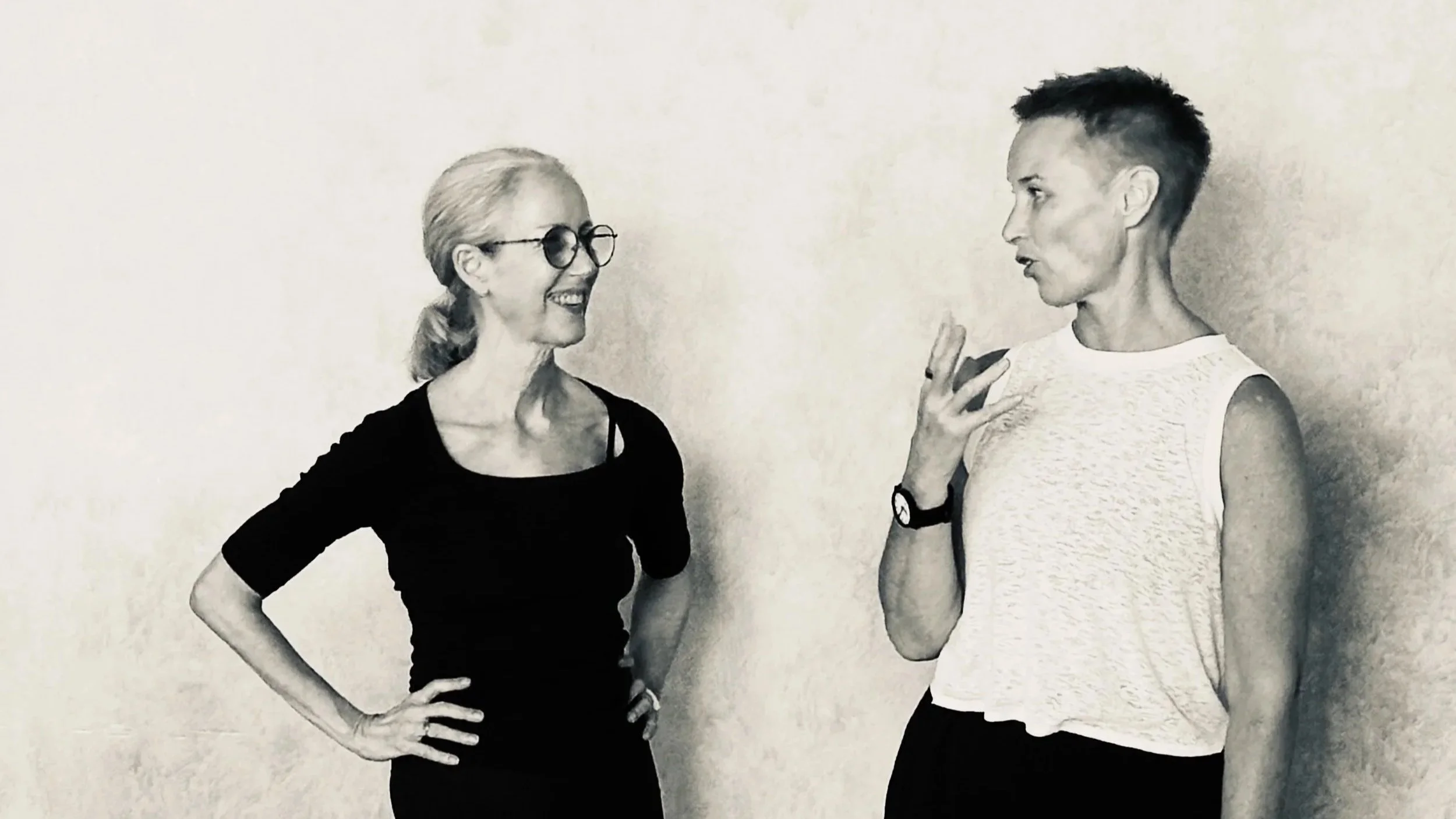
So what does this mean in class?
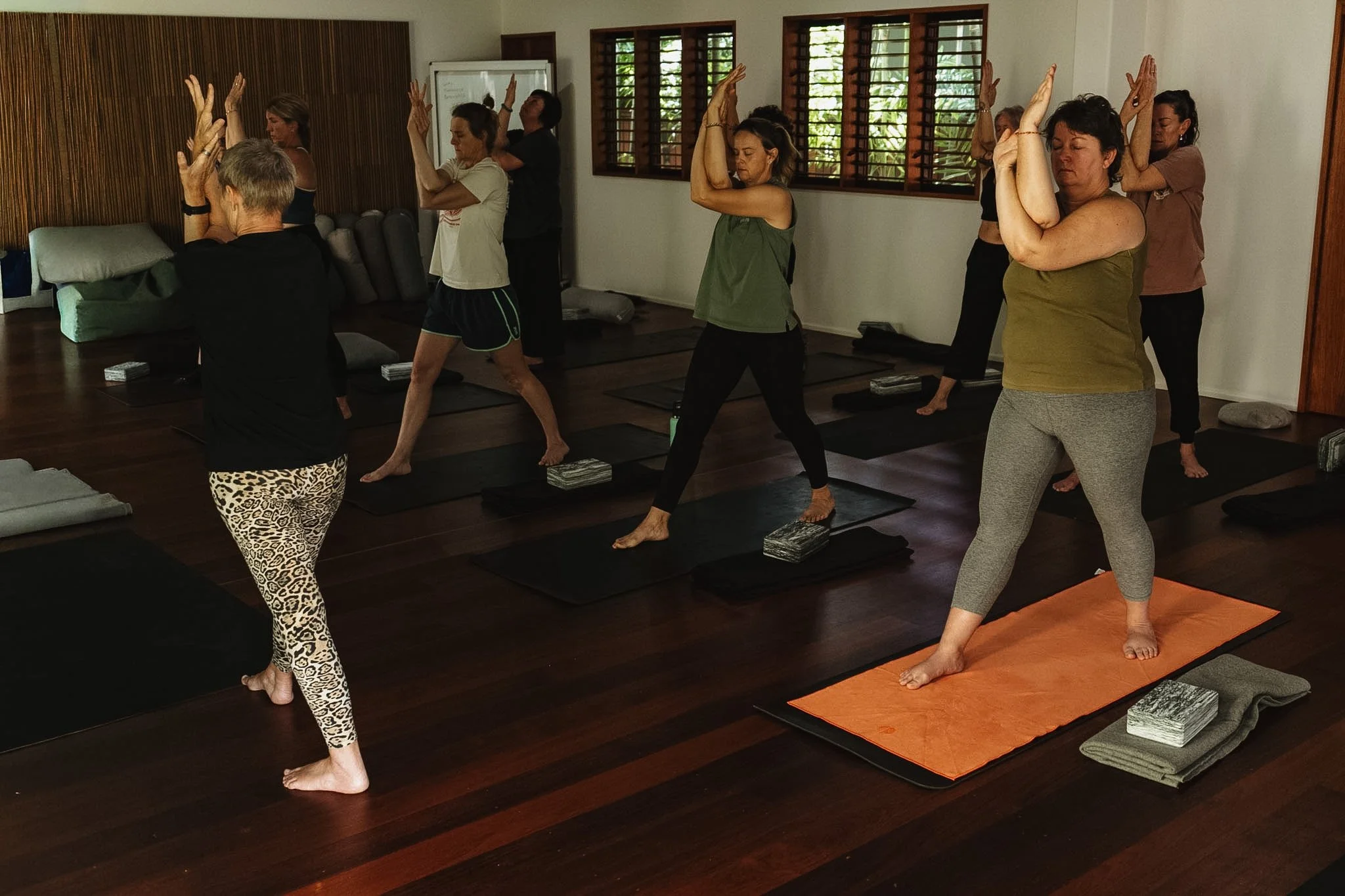
You’ll be challenged.
Not because I’m interested in pushing you past your limits, but because strength, mobility, balance, coordination and confidence are built by asking the body to do something meaningful.
I’ll give you plenty to work with. You decide how much of it makes sense for you that day.
Some days you’ll take the stronger option. Some days you’ll rest, modify, repeat something, skip something, or simply take a little longer to get where you’re going.
That isn’t falling behind.
That is the practice.
You don’t need to arrive flexible, coordinated or already knowing what you’re doing. I’ll guide you, and you’ll be surrounded by a genuinely welcoming bunch of people who are far more interested in their own experience than judging yours.
Strong practice. Small classes. Plenty of support.
And absolutely no requirement to be good at yoga.
Slow letters from the mat.
Thoughts on practice, teaching and life — plus studio news and first dibs on what’s coming next.