
My Training
I’m still learning. I intend to stay that way.
How I choose teachers, question what I learn, and let good training change the way I teach.
I don’t collect certificates.
I study slowly, selectively, and with teachers I trust.
This isn’t a complete record of every course or workshop I’ve taken. It’s a selective record of the teachers and trainings that have genuinely shaped the way I teach.
I’ve been practising yoga for decades and teaching for over ten years. Experience hasn’t made me less curious — if anything, the opposite.
Learning, for me, isn’t about novelty or accumulation. It’s about discernment.
I choose teachers who think clearly, question assumptions, and can hold nuance without collapsing into dogma. I’m interested in biomechanics, movement science and intelligent sequencing — but mostly in what happens when those ideas meet real rooms, real bodies and real lives.
Not everything needs to be new. Some things need time.
A lot of my current work is actually about returning — revisiting ideas, testing them, refining them and allowing them to mature. That’s part of why I teach in progressive modules rather than a string of unrelated classes. There’s time to repeat things, build on them, and notice what actually changes.
My job is to stay curious, keep my standards high, and teach what I genuinely find useful — not simply what sounds impressive on paper.
What shapes my teaching now.
These days, I keep coming back to a handful of ideas: progression over novelty, strength through range, repetition as a way of learning, breath as the organising rhythm of the practice, and giving students enough agency to make useful decisions for themselves.
None of those are fixed rules.
They’re things I continue to study, test, question and refine in real classes with real people.
Some influences are relatively new. Others have been with me for years.
What matters is whether they still hold up in the room.
Current study.
Yoga Sequencing 2.0 — Jason Crandell · 2026
I’m currently completing a six-month advanced training in long-term sequencing, curriculum design, workshops and series-based teaching, with one final live Zoom together in October.
This work has felt particularly relevant to where SWY is heading.
My module structure grew out of years of studying with Jason, but this particular training has pushed me to think more carefully about how people enter a practice, how ideas develop over time, and what deserves to be revisited rather than constantly replaced.
It has directly helped shape Intro to Vinyasa, Back to Practice Week, Friday Night Cosy Club and a small inversions lab I’m developing for 2027.
I’m looking forward to taking those ideas back into our final session, hearing what Jason has to say, and probably coming away with another dozen things to think about.
Up next.
The Art of Flow — Duncan Parviainen · October 2026
In October, once again, I’m heading to Mullumbimby to study with Duncan Parviainen.
I’m particularly interested in his approach to vinyasa — not just the choreography of a sequence, but the relationship between rhythm, transitions, attention and the experience of actually moving through it.
I’m going without a particular outcome in mind, which feels important.
Some training changes the way I teach immediately. Some of it needs to sit for a while first.
I’m curious to see what this one does.
Advanced Vinyasa Teacher Training — Duncan Parviainen · 2027
I’m also planning to continue studying with Duncan through his 300-hour advanced training in 2027.
For now, I’m deliberately leaving this one open. I’ve learned that I don’t always know what I’m going to take from a training until I’m in it.
Teachers who have shaped my work.
I’ve studied with many teachers over the years, but a smaller number have genuinely changed the way I think about practice and teaching. Not because I agree with everything they say.
Because their work has made me question things, notice things I’d been missing, or become more precise about what I’m trying to do in the room.
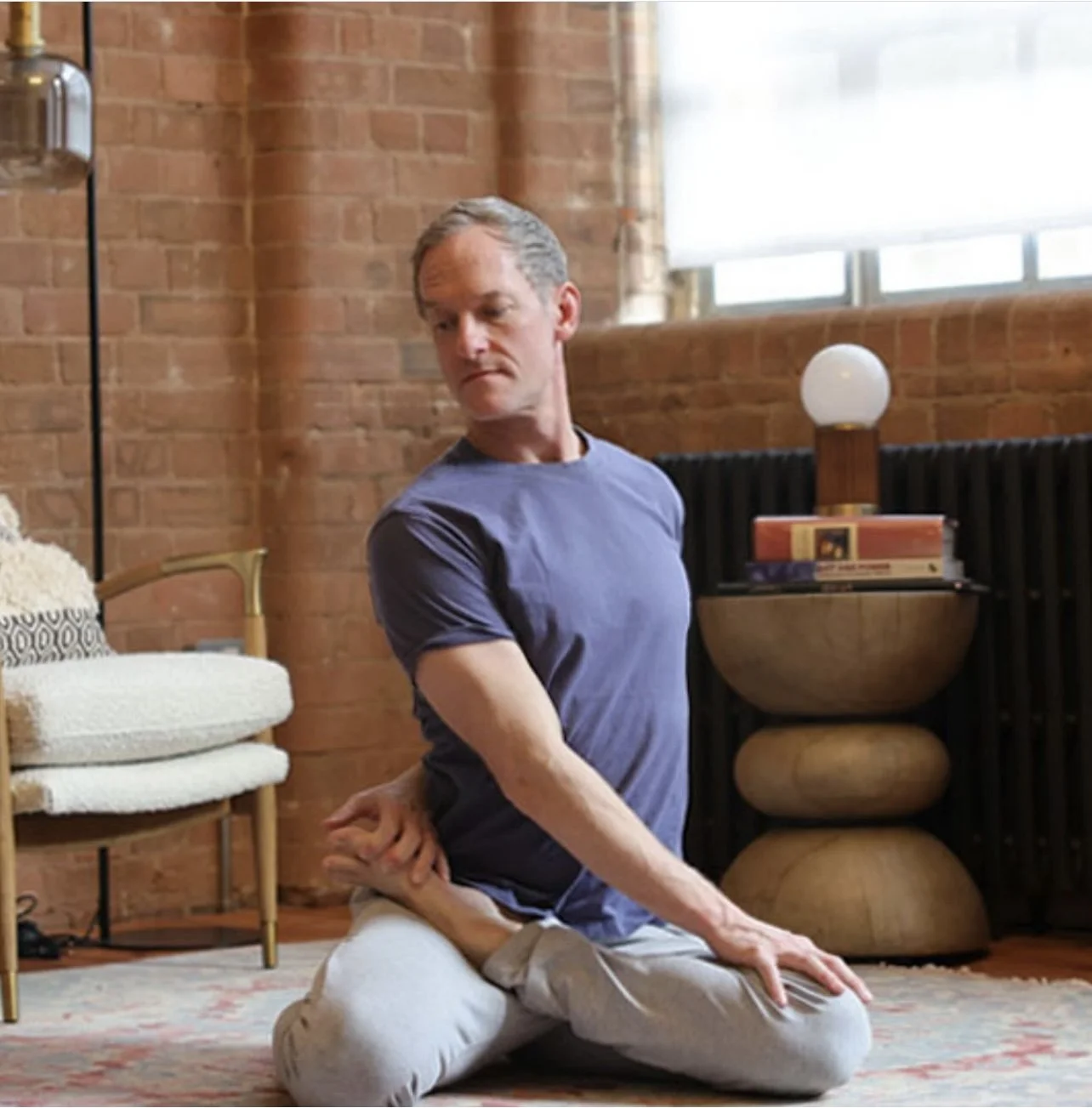
Jason Crandell
Jason’s work has probably had the most sustained influence on the way I teach today.
I’ve studied with him across multiple trainings over several years, and his approach to sequencing has fundamentally changed the way I think about progression, repetition and how a practice develops over time.
But the influence goes beyond sequencing. Jason has also helped me become more comfortable questioning inherited yoga conventions, letting go of things simply because “that’s how yoga is done,” and asking a much more useful question:
What are we actually trying to achieve here?
That question shows up in my teaching all the time.
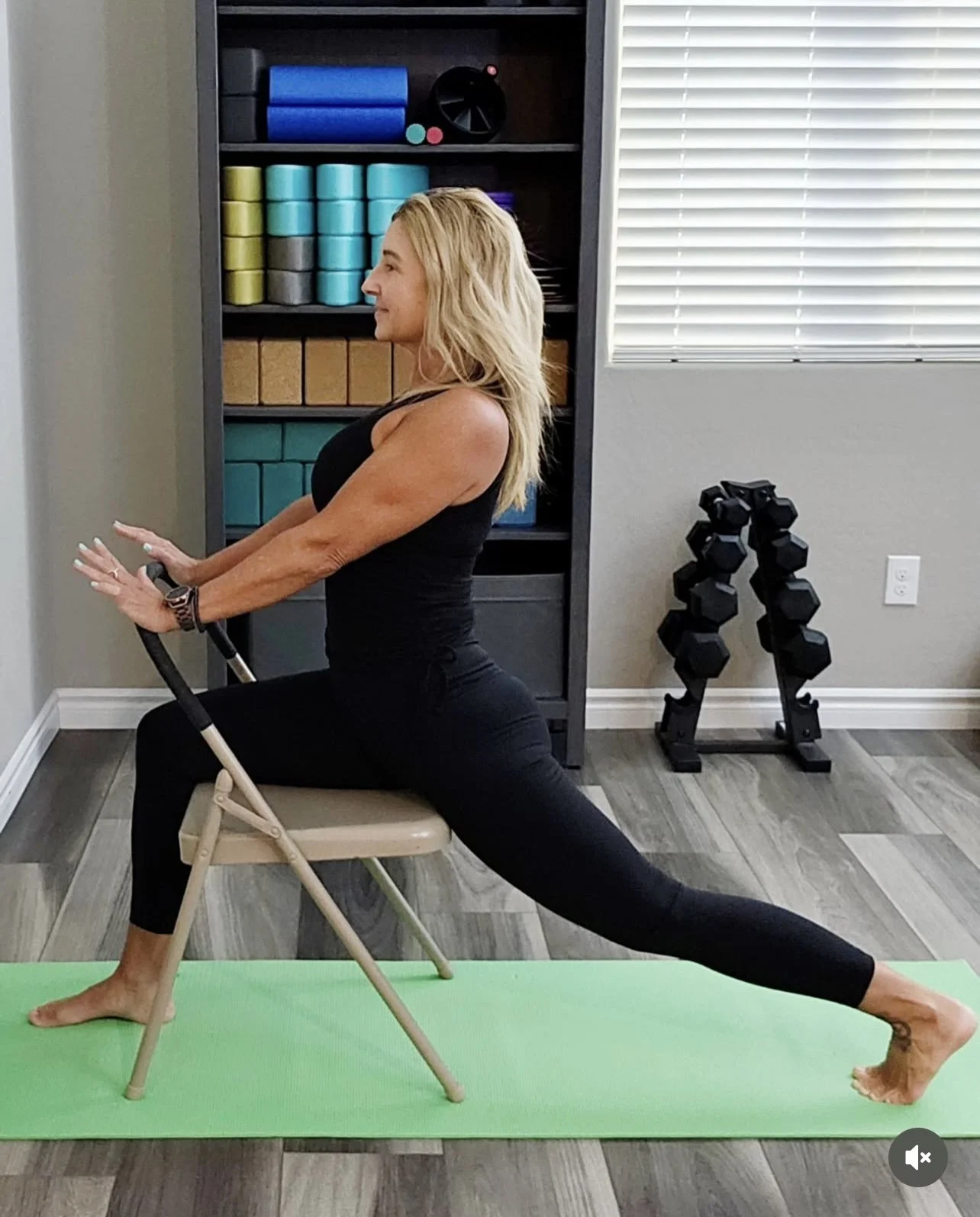
Jules Mitchell
Jules’ work has had a significant influence on the way I think about movement, strength, mobility and evidence.
Her 300-hour training has shaped how I teach active range of motion, progressive loading and strength at end range — but just as importantly, it has changed the way I think about research itself.
Before studying with Jules, I didn’t really know how to read a research paper properly. I’m still learning, but I’m far better equipped now to look beyond headlines, question sweeping claims, and be suspicious when somebody says “the science says…” without much nuance underneath it.
I came close to completing the training before life intervened, and I plan to finish the remaining work in 2027.
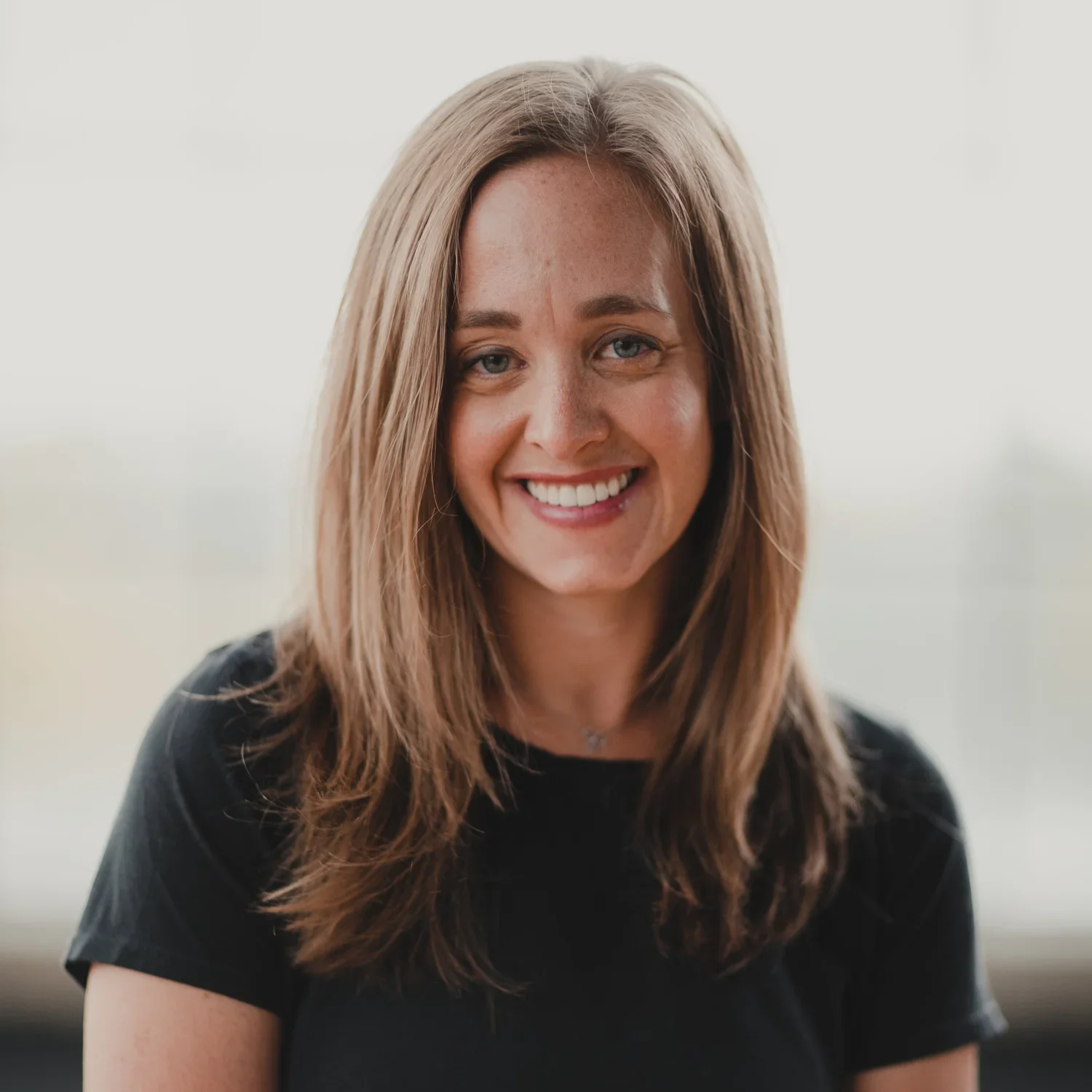
Cecily Milne
Cecily was one of the first teachers who really opened my eyes to the fact that yoga could be taught differently — and, in many ways, better.
Her work encouraged me to question inherited teaching habits, look more closely at how and why we organise movement, and stop assuming that traditional ways of doing things were automatically the most useful ones.
That was a genuine turning point for me.
Cecily has since become a friend, and I still value her thinking enormously. We remain in touch, and I’m always grateful for her willingness to question, notice and offer perspective.
Her influence gave me permission to become much more curious about what yoga teaching could actually be.
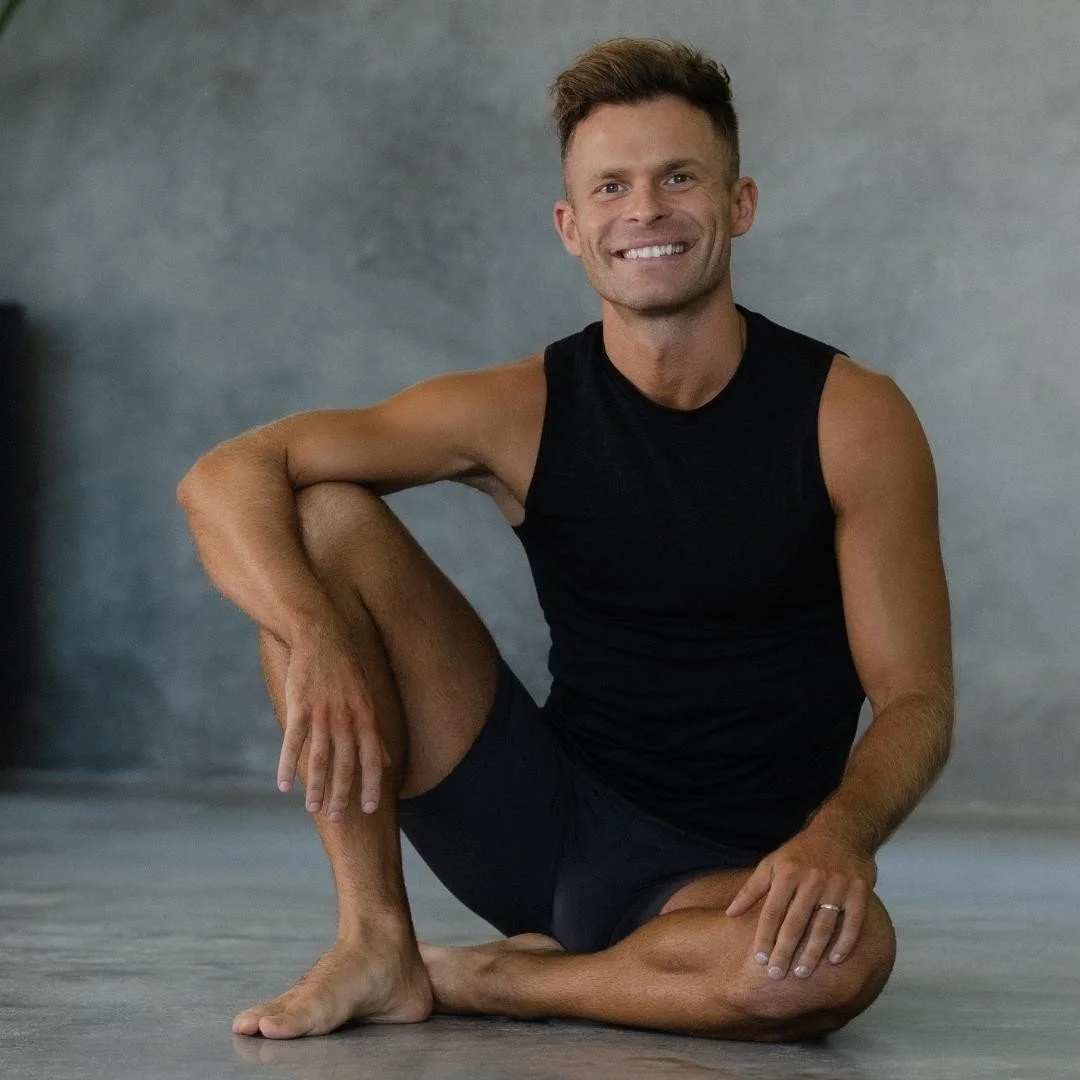
Duncan Parviainen
There’s something about the way Duncan teaches that I find incredibly compelling.
His knowledge is broad and deeply considered, but what I value most is the way he communicates it. Complex ideas about movement, anatomy, sequencing and flow somehow become clear, practical and immediately useful.
Every time I study with Duncan, I come away with things I can genuinely take back into the room — and students often comment on the detail and intelligence behind those ideas when they appear in class.
I’m also drawn to the way he approaches vinyasa as more than a collection of poses. Rhythm, transitions, attention, effort and the experience of moving all matter.

Foundations.
Before all the advanced training, there was my original 350-hour teacher training with Kate Pell and Dan Alder at The Yoga Den in Brisbane.
It was a year-long, small-group, in-person program, and it gave me the foundations I still rely on now: how to observe a room, how to communicate clearly, and how to teach the people in front of me rather than simply deliver a script.
I’ve changed my mind about plenty since then — as I hope I always will — but those early lessons have stayed.
Professional standing.
I’m a Level 2 Yoga Teacher registered with Yoga Australia. I have extensive foundational and advanced training, and I continue to invest in ongoing education every year.

Selected training.
A selected record of the formal trainings that have most significantly shaped my teaching. I’ve done plenty of other workshops and shorter courses over the years; I don’t list everything.
Yoga Sequencing 2.0 — Jason Crandell, six-month advanced training (2026)
Deepen Your Practice Immersion — Duncan Parviainen / Heart of Vinyāsa, Mullumbimby (2025)
300hr Advanced Teacher Training — Jules Mitchell, 12-month cohort, biomechanics and movement science focus (in progress; completion planned 2027)
In-person intensive — Annie Carpenter, Brisbane (2025)
300hr Advanced Teacher Training — Jason Crandell, 12-month cohort (2024)
Deepen Your Practice Immersion — Duncan Parviainen / Heart of Vinyāsa, 40hr online training
Advanced studies — Cecily Milne / Yoga Detour: Detour Method Online, Detour Method Synthesis and 40hr in-person intensive, Melbourne (2019–20)
7-day immersion — Donna Farhi, Sydney (2014)
350hr Foundational Teacher Training — Kate Pell & Dan Alder, Brisbane, 12-month program (2014)
Yoga teaching isn’t a formally regulated profession in Australia, so training pathways can vary enormously. I include the detail here because I think the depth, format and mentorship behind a teacher’s education matter.

A different kind of mentor.
Amber Beach
Amber came into my life at a point when I’d been running the studio largely on my own for years and was pretty close to burning myself out.
Her influence hasn’t been about how I sequence a class or teach a pose. It’s been about the bigger picture — boundaries, retreats, workload, decision-making, and learning to build a business that actually fits the life I want to live.
She’s also helped me trust my own judgement more. That has mattered enormously.
I still value her perspective, particularly when I’m too close to something to see it clearly myself.